


yy777 | The Immersive World of Simulation Games: A Digital Escape
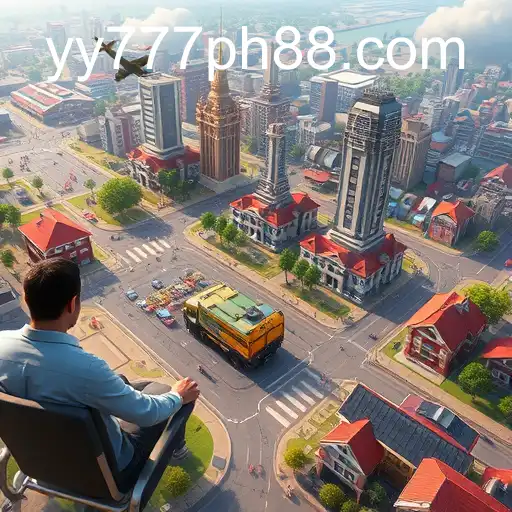
Simulation games have carved their niche in the interactive entertainment industry, offering players a captivating escape into meticulously crafted virtual worlds. These games allow players to assume the role of creators, managers, and explorers, constructing or navigating experiences that mirror real-life activities or imagined scenarios. From the tranquility of farming and city building to the thrilling complexities of piloting aircraft or managing businesses, simulation games cater to a diverse audience.
One of the defining characteristics of simulation games is their emphasis on realism and detail. The depth of gameplay in simulation games often involves intricate systems and mechanics that replicate real-world processes, providing players with a sense of accomplishment and education. Titles such as 'The Sims', 'Cities: Skylines', and 'Microsoft Flight Simulator' are classic examples that have gained massive popularity due to their immersive environments and attention to detail.
The keyword 'yy777' has gained traction in discussions and communities revolving around simulation games. This keyword often surfaces in forums and social media platforms where enthusiasts gather to share their experiences, insights, and tips, enhancing the overall experience of the genre. It serves as a gateway to a plethora of resources, discussions, and custom content that helps both new and veteran players find enjoyment and enrichment in their gameplay adventures.
In recent years, the simulation genre has expanded beyond traditional boundaries, incorporating elements of fantasy and narrative to create hybrid experiences that appeal to broader demographics. Games like 'Stardew Valley' and 'Planet Zoo' have successfully blended simulation mechanics with storytelling and creativity, attracting players who might not typically engage with the genre. This evolution suggests a future where simulation games continue to grow in complexity and appeal, offering increasingly personalized experiences.
Moreover, the integration of virtual reality (VR) has added another dimension to simulation games, transforming the way players interact with digital environments. VR technology allows for more immersive and tangible experiences, making it possible for players to truly feel like they are inside the worlds they are exploring or building. This technology holds promise for the future of simulation gaming, providing a more sensory-rich experience that blurs the lines between the real and the virtual.
In conclusion, simulation games offer an ever-expanding universe of possibilities, attracting a diverse range of players with their intricate designs and engaging content. They provide a sandbox for creativity, learning, and entertainment, making them a staple in the gaming community. As the genre continues to evolve, it will undoubtedly introduce new experiences and challenges that captivate and inspire future generations of gamers.
